Why Boston is becoming a new soccer hub?
Soccer continues to grow rapidly across the United States, and Boston is one of the cities benefiting most from this momentum. Between the arrival of the 2026 FIFA World Cup, the development of new facilities, and a growing number of players, the city is gradually establishing itself as one of the leading soccer hubs in the Northeast. For players, families, and local communities, there have never been more opportunities to play.
A sport growing faster than ever
Soccer is now one of the most played sports in the United States. According to the Sports & Fitness Industry Association (SFIA), soccer participation reached 16.8 million Americans in 2025, representing nearly 16% growth year-over-year. Indoor soccer continues to expand as well, with more than 6.6 million participants nationwide. Several factors are driving this growth: increased interest among younger generations, the influence of major international competitions, and the upcoming 2026 FIFA World Cup hosted by the United States, Canada, and Mexico. Recent studies also show that more than one-third of Americans expect their interest in soccer to increase as the tournament approaches.
Boston is benefiting from the World Cup effect
Boston is one of the host cities for the 2026 FIFA World Cup, with multiple matches scheduled at Gillette Stadium. The region is expected to welcome hundreds of thousands of visitors from around the world during the tournament.
Beyond the event itself, Boston is already using this opportunity to strengthen local soccer participation. The City of Boston has launched initiatives aimed at significantly increasing youth soccer participation by 2026. Currently, approximately 3,750 Boston youth players are registered through Mass Youth Soccer, and local stakeholders have set ambitious goals to grow that number in the coming years. This strategy highlights how the World Cup is acting as a major catalyst for the development of soccer at the local level.
The rise of pickup soccer
One of the most visible trends is the growing popularity of pickup soccer. More players are looking for flexible formats that do not require committing to a full season. Pickup soccer perfectly meets that demand: players sign up individually, teams are formed on-site, and games run continuously in a fun and social environment.
This format is particularly popular among:
Students
Young professionals
Newcomers to the city
Players with busy schedules
This search for flexibility reflects changing urban lifestyles and continues to expand Boston’s soccer community.
The growth of indoor soccer
New England’s climate can make outdoor play difficult for several months each year. That is why indoor soccer plays such an important role in Boston’s soccer ecosystem. Indoor facilities allow players to stay active year-round regardless of weather conditions. This growing demand mirrors a national trend, with indoor soccer now attracting more than 6.6 million participants across the United States.
New facilities are helping meet this demand by creating additional opportunities for leagues, pickup games, youth programming, and special events.
A city that attracts young players and families
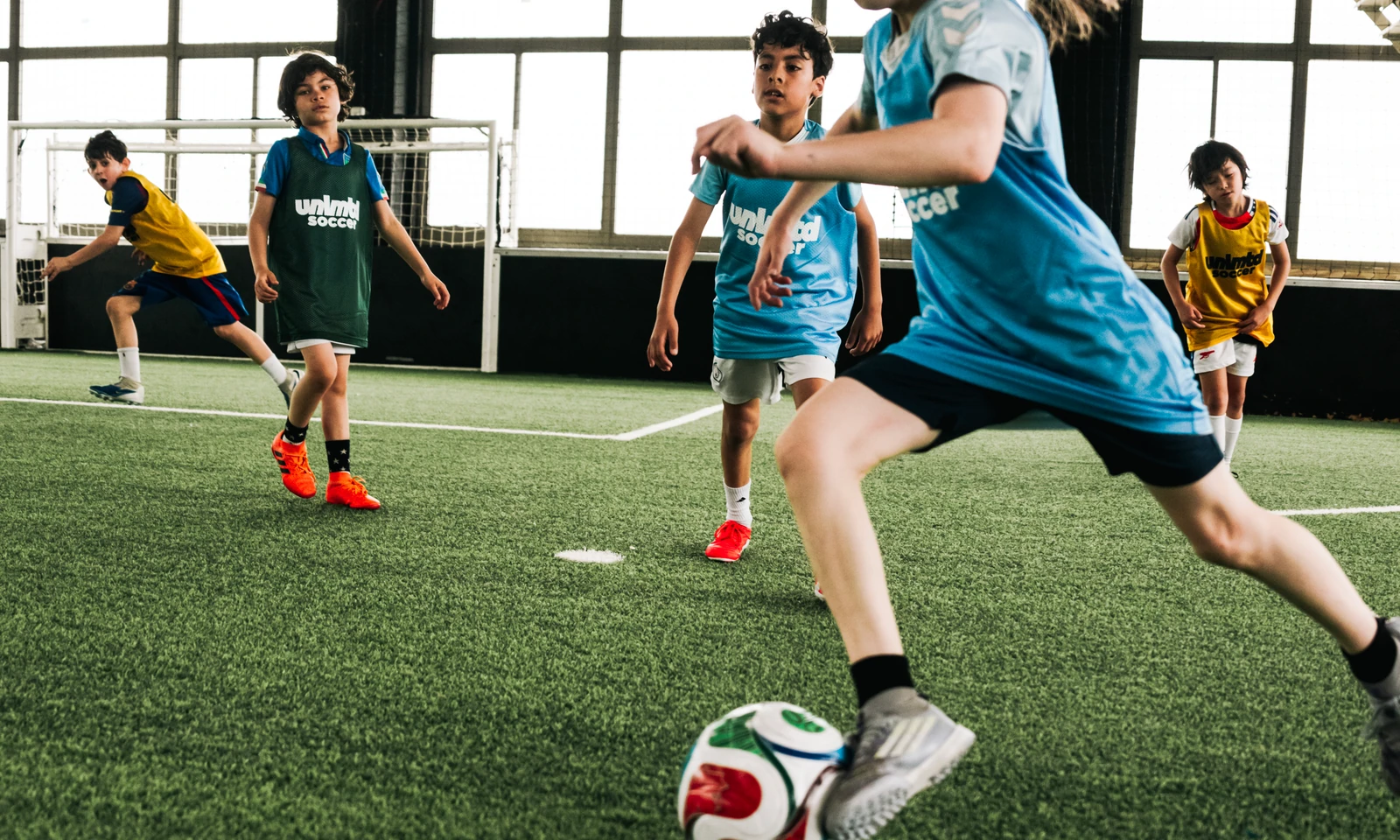
Boston also benefits from its unique population. With world-renowned universities, a large student population, and an international community, the city naturally attracts people who are passionate about soccer. Youth programs continue to expand across the region. Camps, academies, and soccer classes are meeting increasing demand from families looking for accessible, structured, and year-round sports activities.
According to the City of Boston, one of the key objectives for the coming years is to make soccer more accessible across all neighborhoods and significantly increase youth participation.
A soccer community on the rise
Boston’s soccer growth is not only driven by facilities. It is also fueled by an increasingly active and engaged community. Recreational players, pickup enthusiasts, amateur leagues, families, and young athletes are all helping build a strong local soccer culture. As new facilities open and the World Cup approaches, that community continues to grow.
A promising future
All signs point in the same direction: more players, more facilities, and more opportunities to play. The arrival of the 2026 FIFA World Cup, the expansion of indoor soccer, the rise of pickup soccer, and continued investment in youth development are helping position Boston as one of the most promising soccer cities in North America. The movement is already underway—and it shows no signs of slowing down.
FAQ
Why is soccer growing so quickly in Boston?
Soccer is benefiting from nationwide participation growth, the excitement surrounding the 2026 FIFA World Cup, and ongoing investment in local facilities and youth programs.
Will Boston host matches during the 2026 FIFA World Cup?
Yes. Several 2026 FIFA World Cup matches will be played at Gillette Stadium in the Greater Boston area.
Is pickup soccer popular in Boston?
Yes. Flexible, commitment-free formats are becoming increasingly popular, especially among students and young professionals.
Can you play soccer year-round in Boston?
Yes. Indoor soccer facilities make it possible to play throughout the year regardless of weather conditions.
Is soccer popular among children in Boston?
Yes. Youth soccer participation continues to grow, and local organizations are actively working to expand access to the sport across the city.
How will the 2026 FIFA World Cup impact Boston?
The tournament is expected to bring international visitors, increase local interest in soccer, boost participation rates, and create long-term opportunities for facilities, clubs, and community programs.
Why is Gillette Stadium important for soccer in Boston?
Gillette Stadium will host World Cup matches in 2026, placing Boston on the global soccer stage and helping strengthen the region’s role as a major soccer destination in North America.